The right teaching,
at the right moment,
for one learner.
Idiogenicosmoles has been building medical-education tools since 2009, including apps for MDCalc and the New England Journal of Medicine. Today we're building the next generation: learning tools that adapt to the individual clinician — to the cases they ran, the questions they wrestled with, and the gaps they didn't know they had.
A small studio with a long track record.
We build specific, useful apps — each one solving one real clinical-learning problem at a time. A few we've shipped over the years:
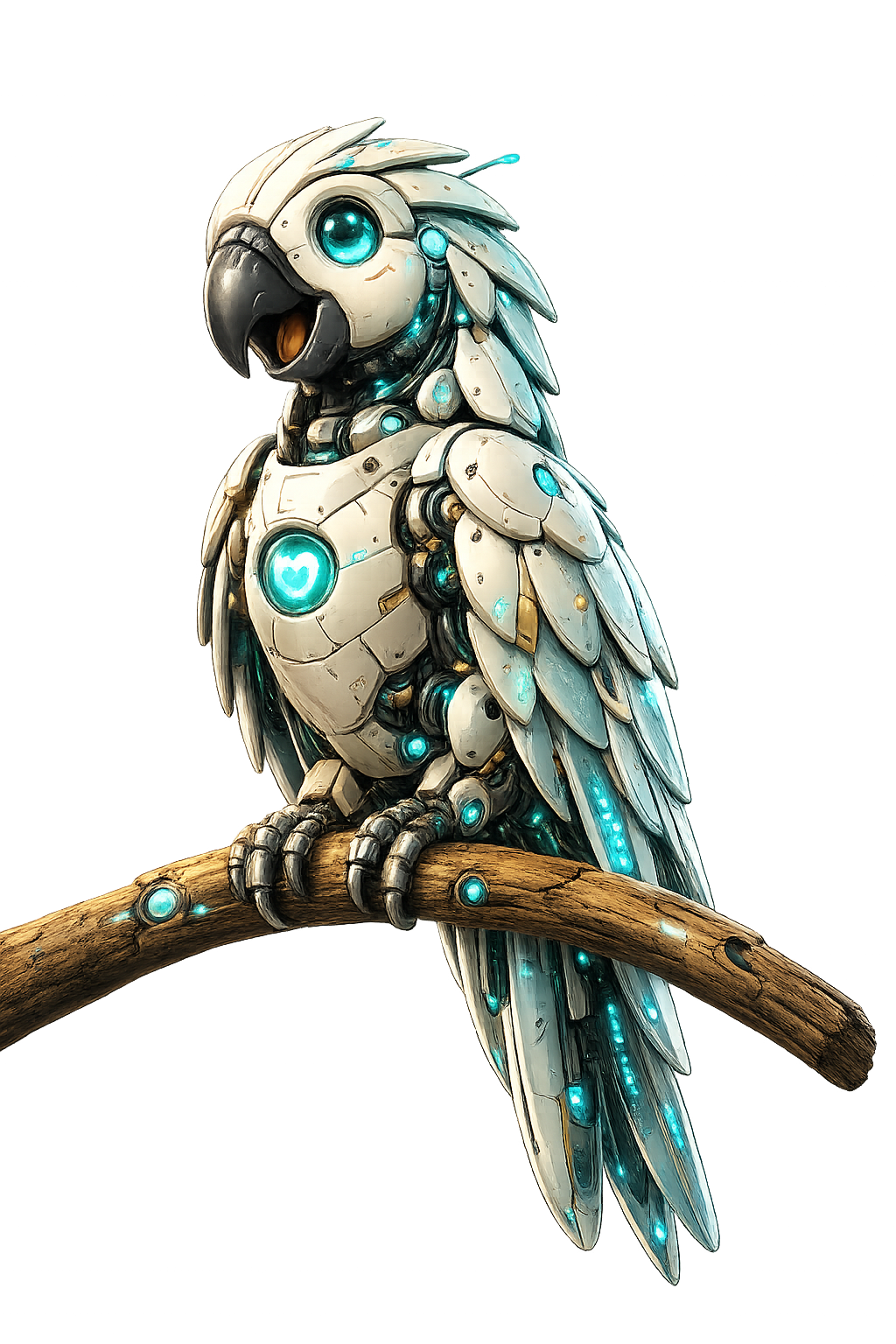
Robot Parrot
A personalized post-shift audio lecture service for emergency medicine residents. You record a 90-second case summary; Robot Parrot finds the evidence behind your decisions and produces a tightly-targeted lecture for the drive home — while the questions are still fresh.
Joslin Chest X-Ray
A point-of-care chest X-ray atlas for residents. Dozens of specific radiographic findings, each presented with the visual cues residents need to recognize the finding on a real film at the bedside.
NEJM Visual Atlas
A visual atlas of unique medical findings, built in collaboration with the New England Journal of Medicine — turning their library of striking clinical imagery into a teaching tool residents could carry in their pocket.
MDCalc Mobile
We built MDCalc's first mobile app — translating one of the most widely-used clinical calculator websites into a fast, offline-capable tool for the clinicians who depend on it every shift.
Tick Doctor
A visual atlas of the most common ticks in North America — male, female, and nymph stages side-by-side with engorged-female references — plus prevention guidance, removal technique, and species-specific disease associations. Built for outdoor enthusiasts and wilderness-medicine practitioners.
Apps for individual physicians
Over the years we've partnered with physicians to turn their teaching material, calculators, and decision aids into the apps they wish existed — typically tightly scoped, single-purpose, and built around how their colleagues actually use them.
What's next
More apps for residents, more collaborations with physicians who have a clear teaching idea, and continued work on Robot Parrot across additional specialties.
Educators, residents, advisors — all welcome.
If you'd like to advise, contribute editorially, or be among the first to use our tools, we'd love to hear from you.